FAQ's

General

Grow your own Vegetables – and save water!

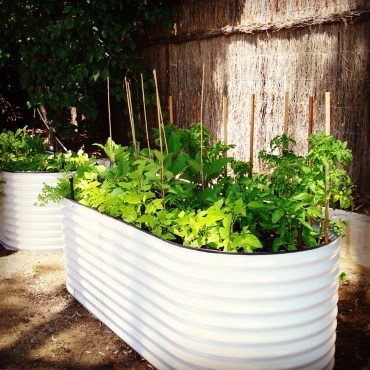
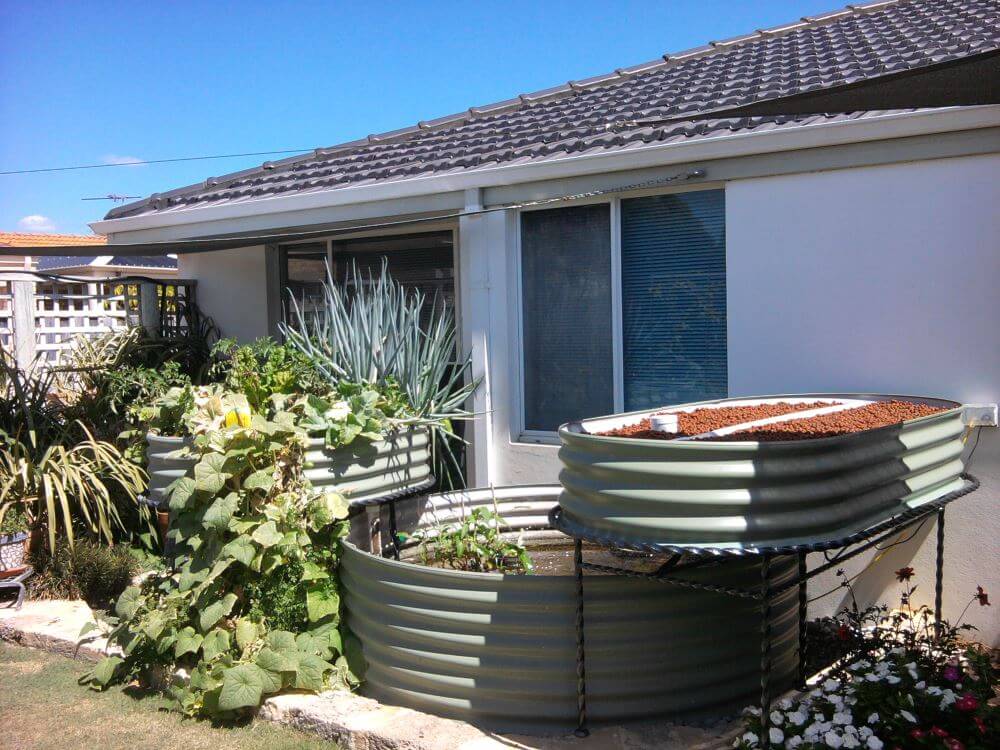
By growing your own vegetables at home, you save water. The amount of water used by industry to grow the vegetables you buy at the supermarket is vastly more than the water needed to produce your own vegetables. With the right vegetable plot, home vegetable gardens are much more water efficient than mass producing vegetable farms. Typical shop bought produce, uses up to five times the amount of water to produce the same amount of vegetables you buy compared with growing your own.

Learning for Kids

Encourage your children to make healthy food choices by teaching them how to grow their own!

Get your children involved in growing their own produce! It will help them to understand the source of fresh food and nutrition...and they love to eat what they have grown!

Ask us about our specially designed gardens for children. Designed with safety first, our children’s programs will involve all activities that suit your child’s age. They will learn everything from planting, watering, composting and worm farms, to picking vegetables and preparing them ready to eat.

Contact info@suburbanfarmer.com.au for more information

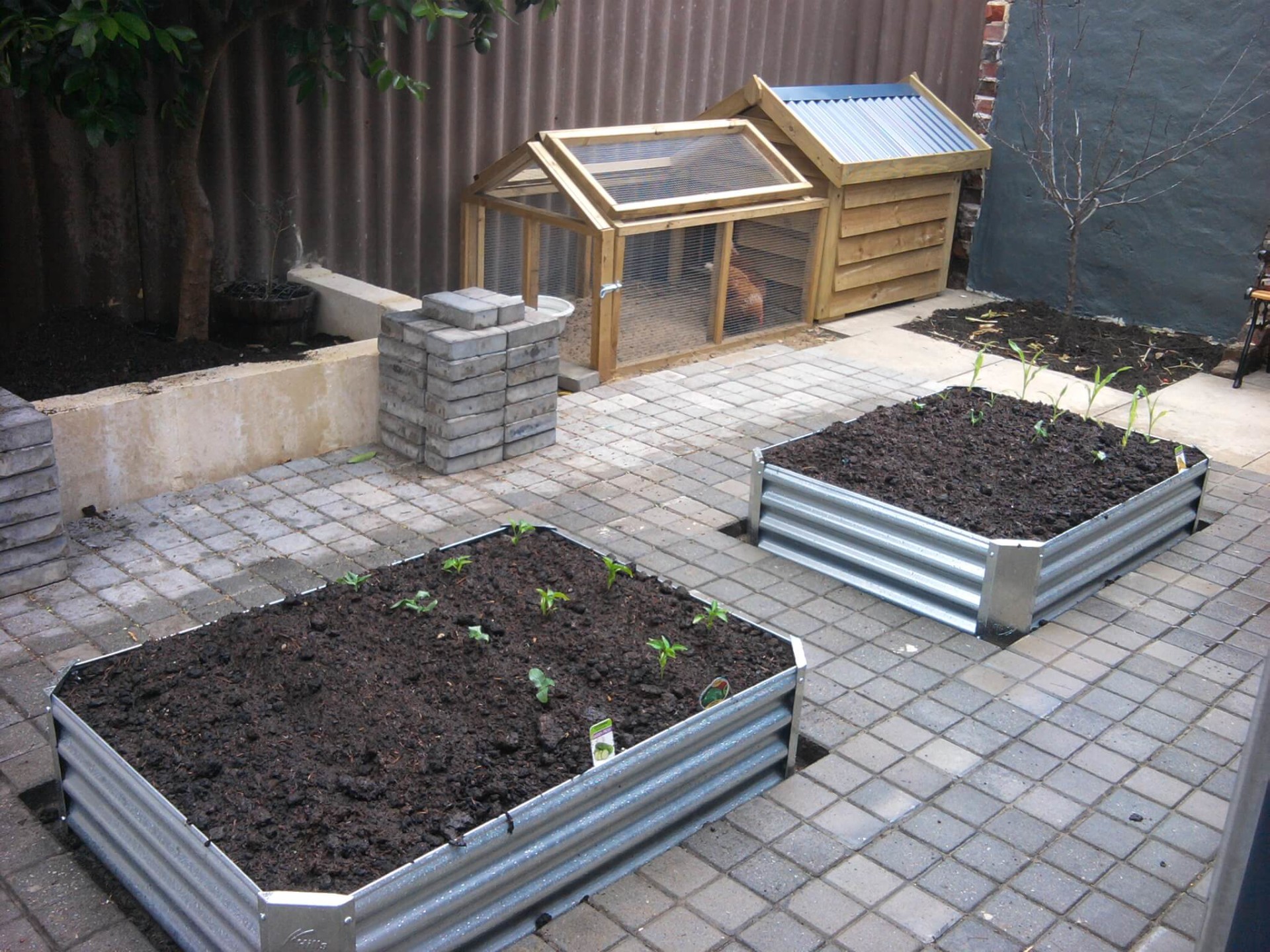
Chickens

Why keep chickens?

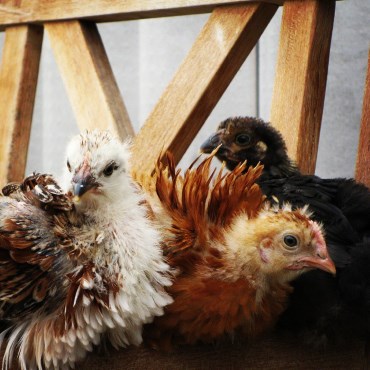
Simple - Fresh eggs! Do you know the real age of the 'fresh' eggs bought at the supermarket are? Of course you don't, thats half of the problem. Are you sure free range chickens don't eat the same modified foods that their sisters in the sheds next to them eat? The best way to know that you are eating fresh eggs by free range chickens is to keep your own.

For the budget conscious - Chickens are cheap to keep and more so if you buy your Free Range eggs. Balanced chicken feed is not expensive and you don't need alot of space to house the chickens.

Other reasons for keeping chickens include the taste (eat a freshly laid egg and you'll know what I mean) , teaching your kids the values of where their food comes from and also simply as pets!

Am I allowed to keep chickens?

Almost all local councils allow chickens to be kept in the backyard. Most councils supply a few regulations, such as the amount of chickens you can keep, distance from your fence line and pen requirements.

Will hens lay eggs without a rooster?

Yes – Hens will the same amount of eggs whether a rooster is present or not. Suburban Farmer does not supply roosters as they generally not allowed under most council's regulations.

Do chickens smell?

You would be surprised to hear that chickens really don't smell. They will start to smell a bit if their coop is left uncleaned, the pen stays wet for an extended period or you have too many chickens confined in a small area.
Chickens are no different to any other animal, so as long as their pen is kept dry and relatively clean, then your chickens will be happy and odour free.

Are Chickens Noisy?

Unlike roosters, hens are not noisy - and as most councils do not allow roosters in suburban environments we deal only with hens. The sound of hens clucking in the background of your garden is quite soothing as they scratch around. When hens lay an egg they make a louder than normal clucking sound and if the hens are unhappy or scared they may make more noise than normal. Most councils allow up to 9 hens per backyard, which gives you an indication of the little noise a couple of chickens make.

Do I have enough room? How many Chickens can I get?

This mainly depends on how much space you have and how many eggs per day you need. Chickens don't need alot of space, but they also don't like to be cooped up! The general rule is one chicken per square metre. For a family of four,  2-3 chickens will provide enough eggs to feed the family. Remember you will receive about an egg per day from your chickens – so you'll have a carton about every 4 days. The eggs will keep for a couple of weeks but if you have an abundance, why not give some to your friends and family!

I already have a dog and a cat

After the initial introduction, your existing pets should get on fine with their new neighbours, and your chickens are likely to pay no attention to your other pets once they are settled in. Of course, if you have particularly aggressive dogs then a small fence separating the dogs and the chickens can be arranged.

Will I need to look after baby chickens?

While baby chickens are cute and by raising them by hand a strong bond is formed, we only deliver chickens approx 22 weeks old that are ready to lay

What do chickens eat?

Almost anything! We deliver a premium mix of cereal grains, sunflower seeds, corn, laying pellets and shell grit to act as their staple food supply  and in addition chickens will eat anything from garden weeds, table scraps, vegetables from the garden or crisper, lawn cuttings, rice, spaghetti, bread...the list goes on. There are a few things you shouldn't feed chickens, including dry beans, off foods and anything highly salty. We provide a feeding guide to any chickens customers.

When will my chickens start laying eggs and how many chickens will I get?

Most hens will start laying at 22 weeks old, and the chickens we deliver should start laying within the first couple of days, although we cannot guarantee the laying success of our chickens . Hens will lay an egg a day, occasionally skipping a day here and there. Over the first couple of years they should lay up to 300 eggs, slowly dropping off after the hen is about 2 years old, however hens are known to keep laying up to 4 years old. At this age the eggs won't be as frequent and the eggs increase in size with the age of the chicken.

Are chickens good with kids?

Your children will love your chickens. Most chickens don't mind being picked up, but make sure younger children are supervised as chickens can get hurt by playful young ones. If young children are hand feeding chickens they may get a small fright if the chicken pecks their hand.

Do I need to worry about predators and pests?

Pests such as mice are attracted by food and not by the chickens. You have as much chance attracting mice with chickens as you do with other pets such as birds in an aviary or a bird feeder, rabbits and guinea pigs. Chickens are messy eaters so keeping wasted food to a minimum will help pests be less attracted to your chicken pen.

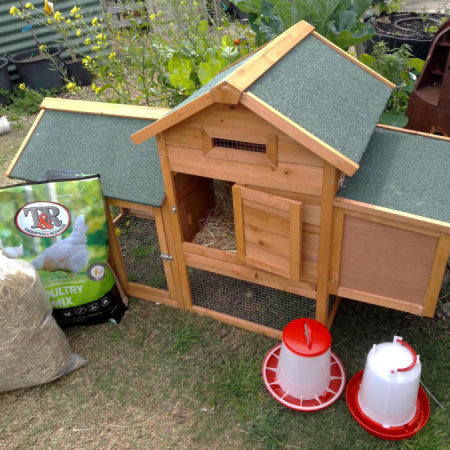
The key to keeping chickens safe from predators is a good strong pen – with sturdy walls, enclosed top and measures to stop predators burrowing under the wire.

Although you can let your chickens roam your backyard during the day, we advise keeping them in the pen to keep them safe from pets...and keep your garden safe from the chickens!

Fish Farms

How many fish can I put in my tank?

There are a number of factors that influence how many fish you can keep in your tank. Tank size, filter capacity, water quality, fish size and feeding rates are factors that contribute to the amount of fish you can keep in your tank.

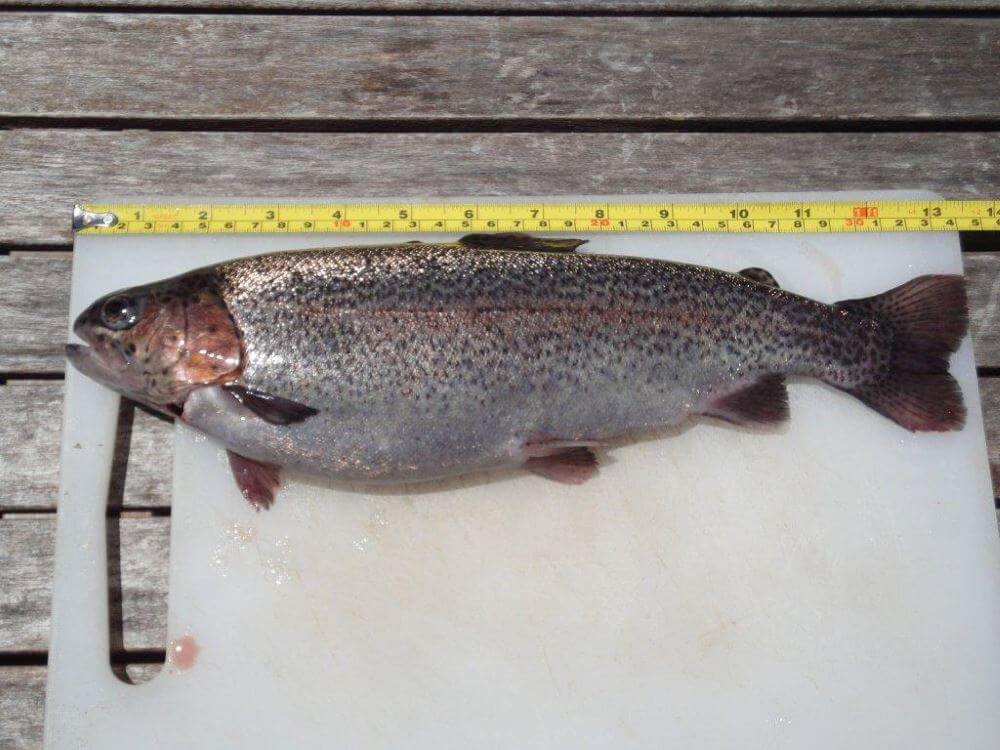
With the right set up, you should expect your tanks to handle 2-3kgs of fish per 100litrs of water. We strive to stock 100 – 150 plate sized fish in our 3000 litre tanks.

How much do I need to know about growing fish?

To get started there isn't a lot you need to know about growing edible fish, in fact there isn't a great difference between growing goldfish and growing edible fish, the principles are the same. Our systems come with all the tools needed to successfully rear fish to eating size without any prior knowledge of fish farming.

What is a Vegetable Garden filter?

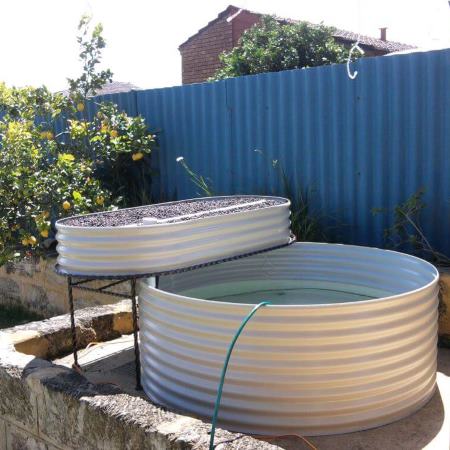
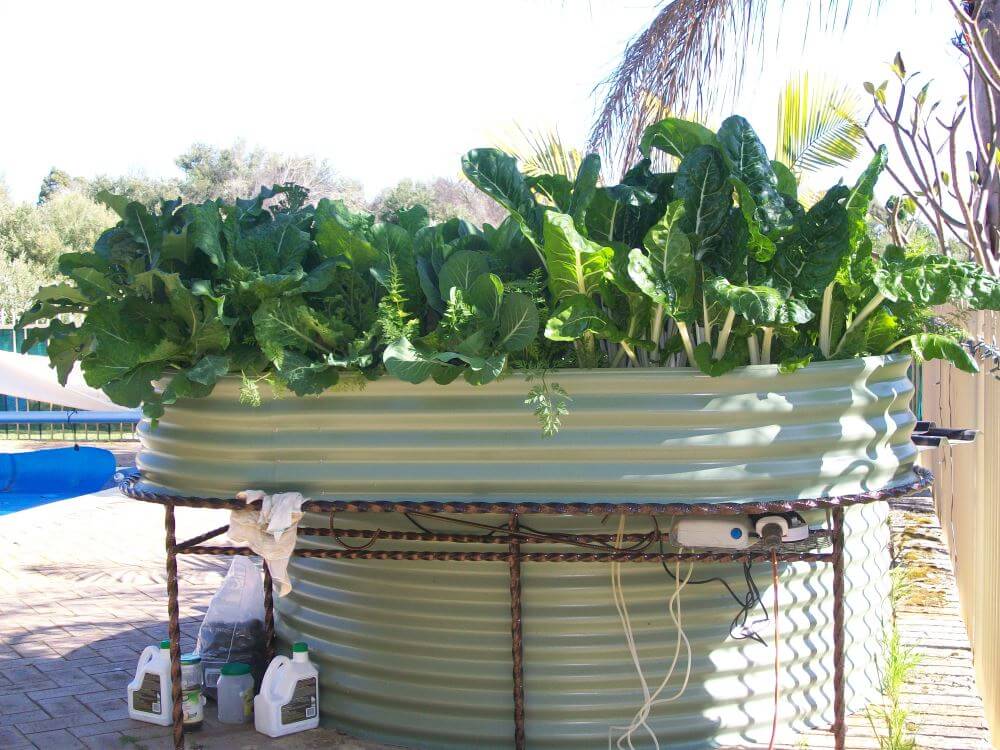
In your tanks you have fish that are living at much higher density than they are in nature. This increases the concentration of fish waste which has the potential to foul or pollute your water and affect the health of your fish. In order to clean the water, you need a system that removes excesses of fish waste and nutrients and returns clean water to your fish tank. In a Vegetable Garden filter the fish water is pumped into small gravel beds, where vegetable plants growing in the gravel extract the nutrients from the water. The water then returns to the fish tank cleaned of its excess nutrients and is freshly oxygenated. In other words, you use fish to produce nutrient rich water to feed hydroponically grown vegetable plants

How much room do I need?

The amount of fish you keep is dependent on the size of the tank you have....which is sometimes dependant on the amount of area you have to dedicate to a backyard fish farm. You don't need alot of area for a small system, only 2 square meters is enough room. Larger tanks are generally deeper rather than wider so even for a 3000litre tank you would only need a 3 – 4 square meter area.

What do I feed them?

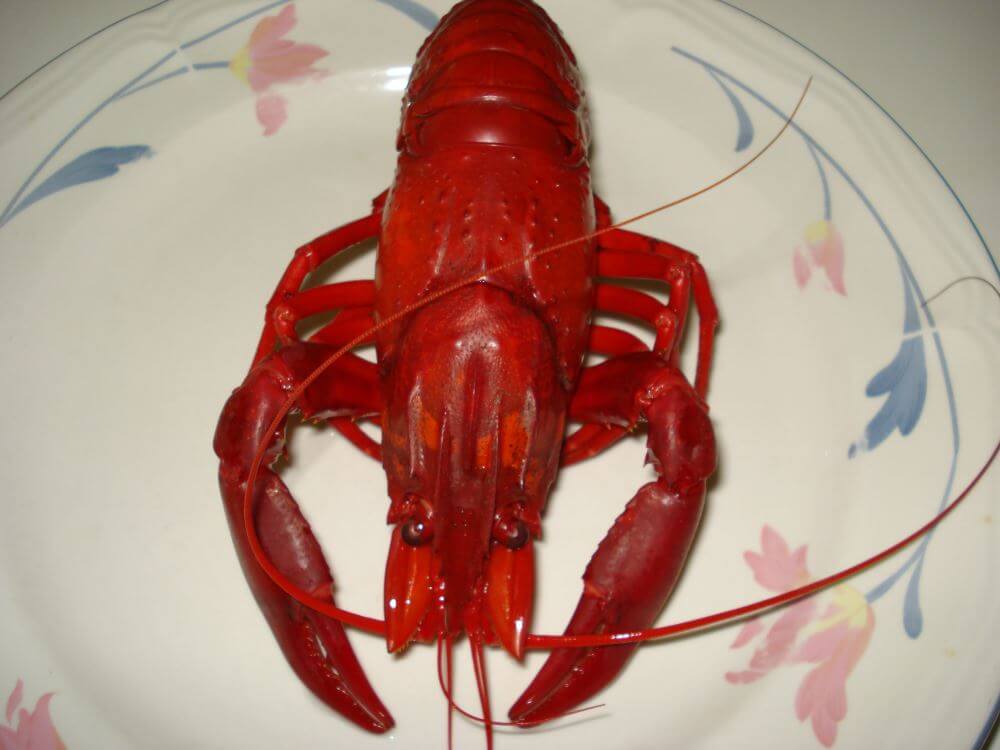
We feed marron and yabbies specially formulated food designed for feeding marron. We feed the fish specially formulated fish pellets. These pellets have everything you need to keep your fish healthy and growing, and the pellets also provide nurtients for your vegetable plants.

How much do I feed?

Feeding rates depend on many factors, such as the type and size of your fish and the water temperature and quality.

Can I mix species and sizes in a tank

With some species such as Silver Perch you can stock fish of differing sizes. However this is rare and with most species you will need to stock fish of equal size. It is also not reccomeded to mix species of fish however some species will live together without problems. If your tank is big enough you can stock marron and fish in the same tank – although this really depends on the size of each the marron and the fish, and is dependent on the marron having plenty of cover in the tank (such as PVC pipes to hide in)

Can I use tap water to fill my tanks?

Yes, and unless you have a rain water tank, you don't have much choice. The tap water in Perth is pretty good and you really only need to 'age' tap water for about 24hours to neutralise the chlorine in the water. To age the water, you only need to fill your tank and give it 24 hours before introducing fish. If you need to top up your water level at any stage, water straight from the tap is fine.

Do I need to test the water?

You should be aware of the quality of the water your fish are living, and testing your water for ph, ammonia and other elements is important. Frequent testing of your water is not necessary and you need only test the water if your fish stop eating and appear sluggish.

What if the power fails?

To keep your fish and good bacteria alive you will need a battery powered air pump.

I just bought some fingerlings but a few of them haven't made it

If the fingerlings are very small it's relativly normal for some fingerlings to die in the first couple of weeks after being introduced into your tank.

How soon can I add fish to a new tank?

Fish can be introduced as soon as a couple of days after installation.

Do I need an aquaculture licence?

If you are growing fish purely for hobby purposes then no license is required.

Vegetable Garden FAQ's

How much room do I need?

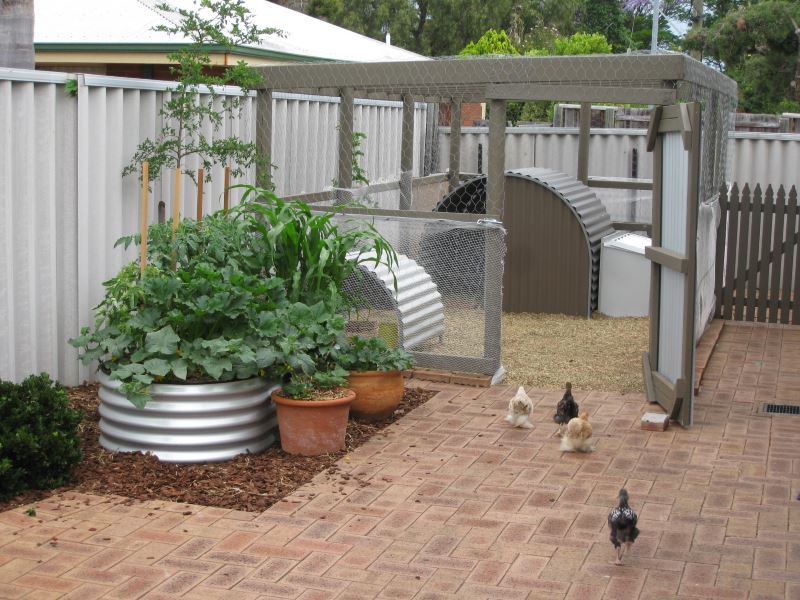
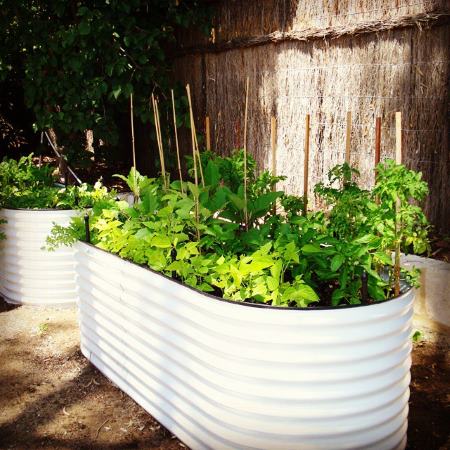
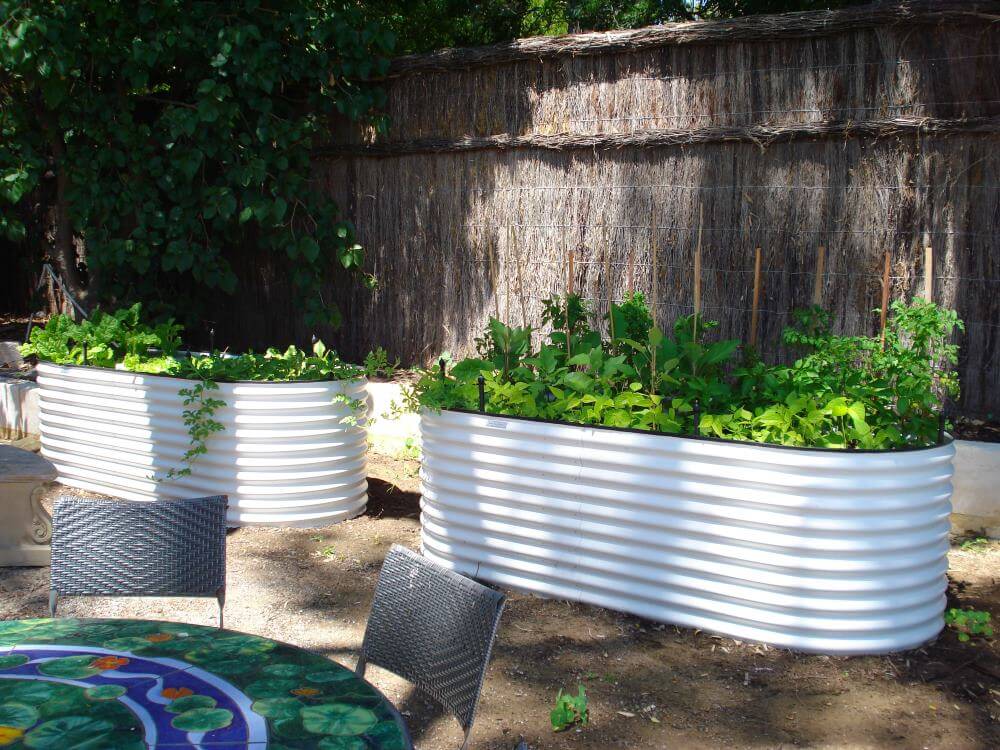
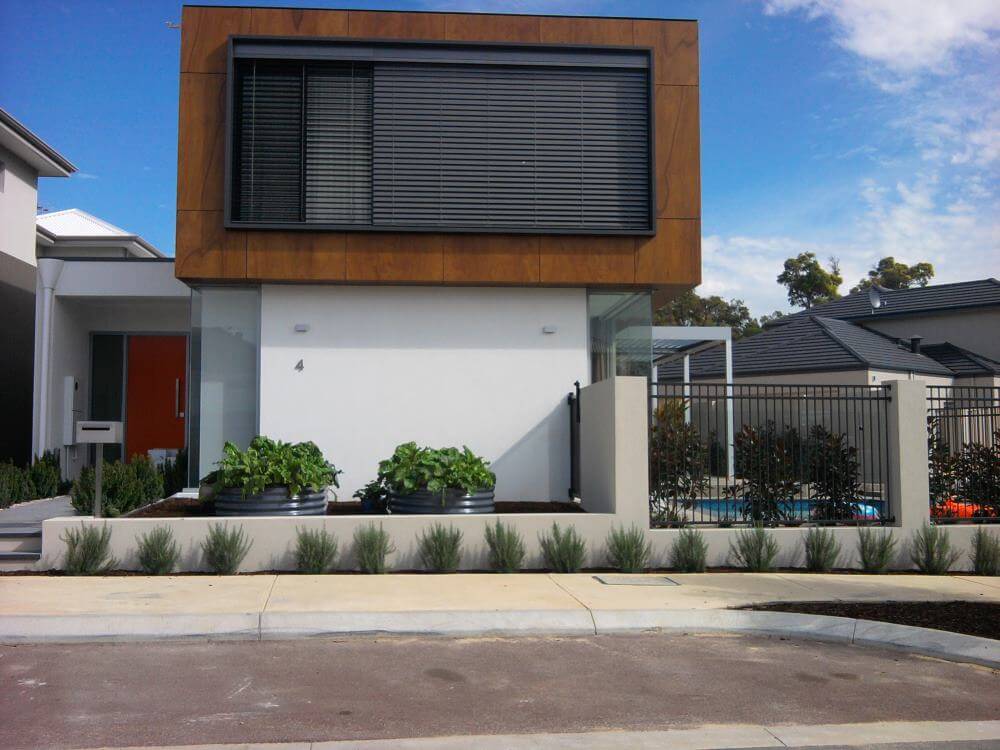
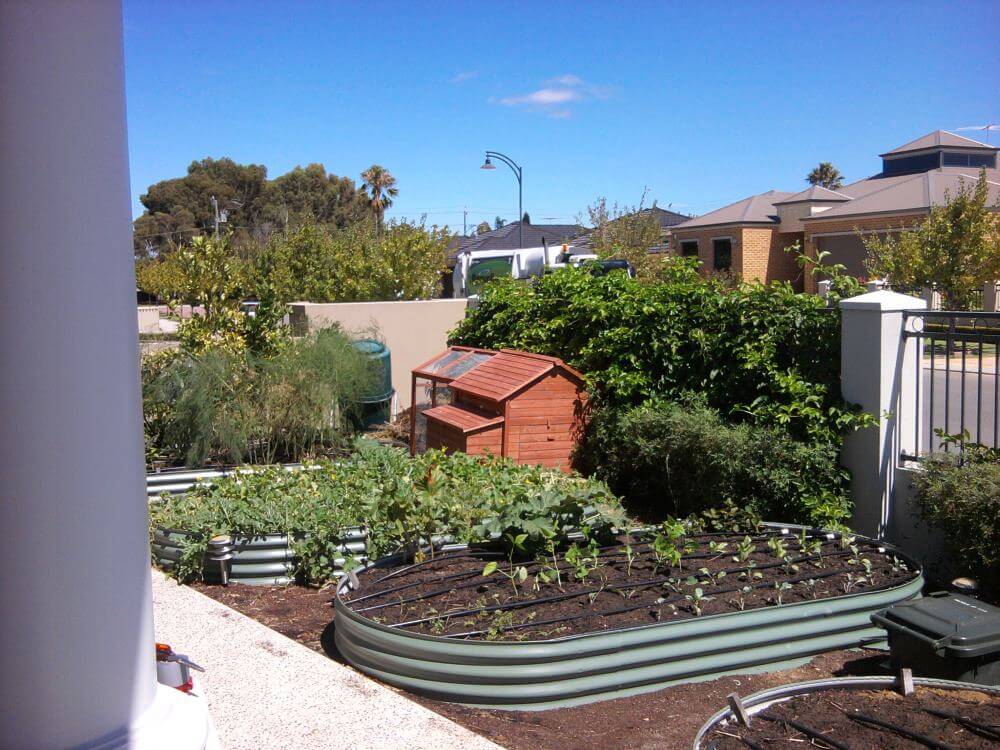
A vegetable garden can be a little or a big as you want it to be. Adding a small vegetable garden to your existing backyard landscape can be a great way of topping up your weekly food shop with fresh vegetables and a small herb garden will produce a surprisingly large amount of fresh herbs that can be picked every day. Larger vegetable gardens can help you work toward providing the vegetable requirements for your family.

Can I choose the vegetables, herbs and fruits planted in my new vegetable beds?

Yes! Your vegetable garden will be customised to your family and tastes. We have a list of vegetables, fruits and herbs that are available for your selection (depending on the growing season).

When do I pick?

Deciding when to pick a fruit or vegetable is a big decision! Pick too early or late and weeks of growing can be wasted as the fruit may be too tough or too soft, bitter or sour. Deciding when to pick a fruit or vegetable depends on the type of fruit or vegetable you are growing – we will email customers guides on when to harvest the vegetables chosen for each crop, however there are some general rules that can be applied:

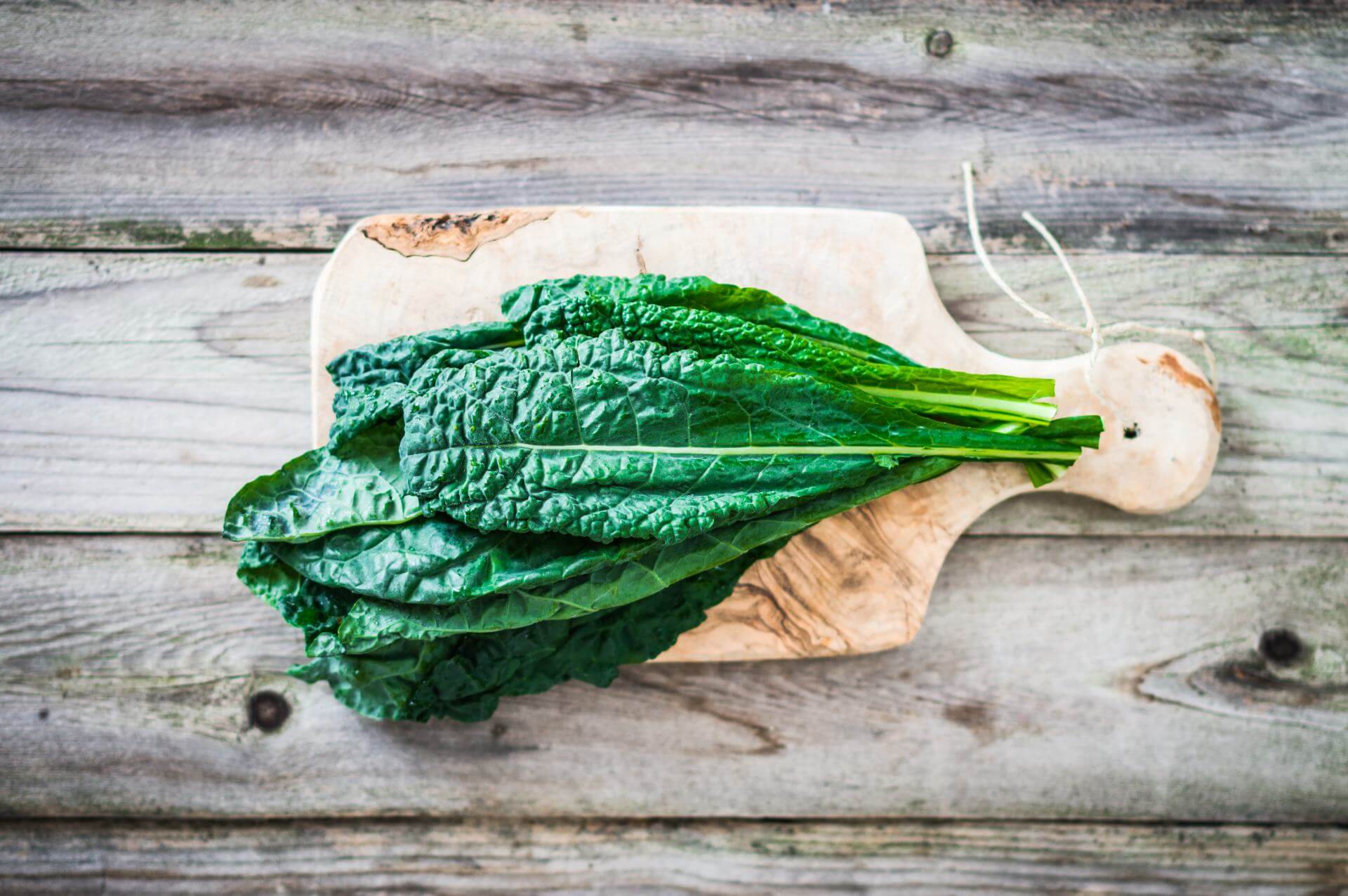
For leave crops such as spinach and stems crops such as celery, you want to pick them early and when they're still at their most tender state. Many other vegetables can taste better while still young. For example, baby peas or a small zucchini generally has more flavour and is more tender than one that's been allowed to grow into a giant.

For vegetables where the fruit part of the plant is what you're eating, for example tomatoes, the opposite is true. A tomato may be ready, even red, but it tastes a lot better when it's picked as ripe as possible and eaten straight from the vine.

Other veggies can wait it out until you've got the time. Root crops, like carrots, onions and potatoes, generally have a larger window of picking opportunity than other vegetables.

Herbs usually taste better before they've gone to seed.
A lot of when to harvest is just common sense and the best time to harvest is in the morning, that's when your vegetables will have the highest water content.

How should I pick?

Use a clean, sharp knife to cut your vegetables from the plant and take care not to damage the plant. Use clean containers to put your crops in and be gentle when you handle your crops so they don't bruise. Put a clean, dry cloth at the bottom of each container to protect the crops and keep your containers in the shade as you fill them.

What is crop rotation?

Crop rotation is the practice of growing a sequence of different crops on the same land in successive years or seasons, which is done to replenish the soil and control pests and diseases.

This means you we don't plant the same specific vegetables in the same bed year after year. Each vegetable crop takes different nutrients and minerals from the soil and by planting the same crop in the same area in the same year, your soil become deficient in certain areas. This leads to weaker plants and reduced harvests.

The main principles are to not follow one crop with another from the same family and don't follow one heavy feeder with another heavy feeder.  We will design a crop rotation strategy to match your crop selection and plot size

Do I need compost?

While not absolutely necessary, every vegetable garden should have a compost strategy. Not only is a composter a great place to put garden waste, but it converts your waste into a valuable product used to enrich the soil of your vegetable garden.

Compost allows the soil to hold more water and adds nutrients to the soil while providing a free source of organic fertiliser and soil conditioner.

Why would I need a greenhouse?

A small greenhouse is a great companion for a vegetable garden. It allows you to get a head start on your vegetable seeds, getting them seeded and growing before their normal growing season.