Summer

Chickens

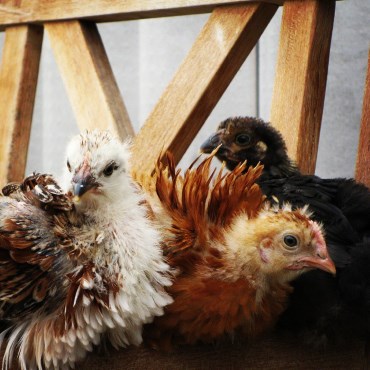
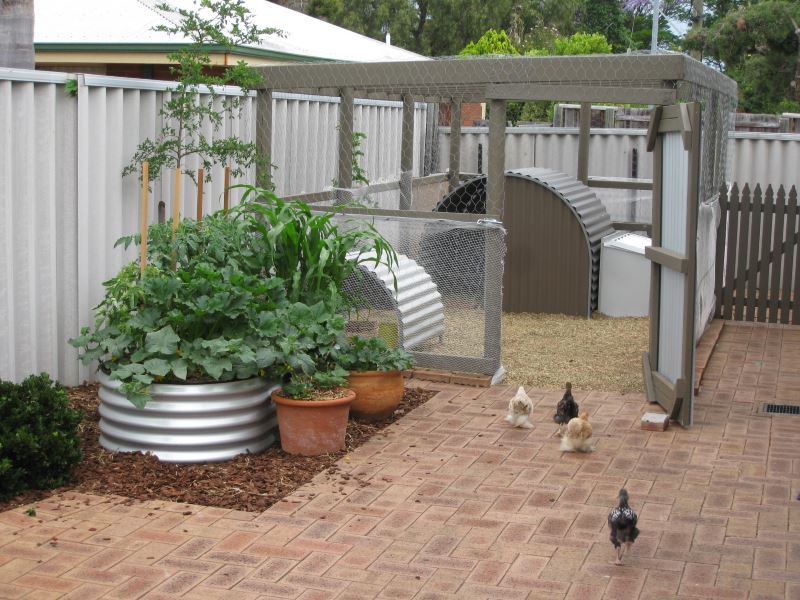
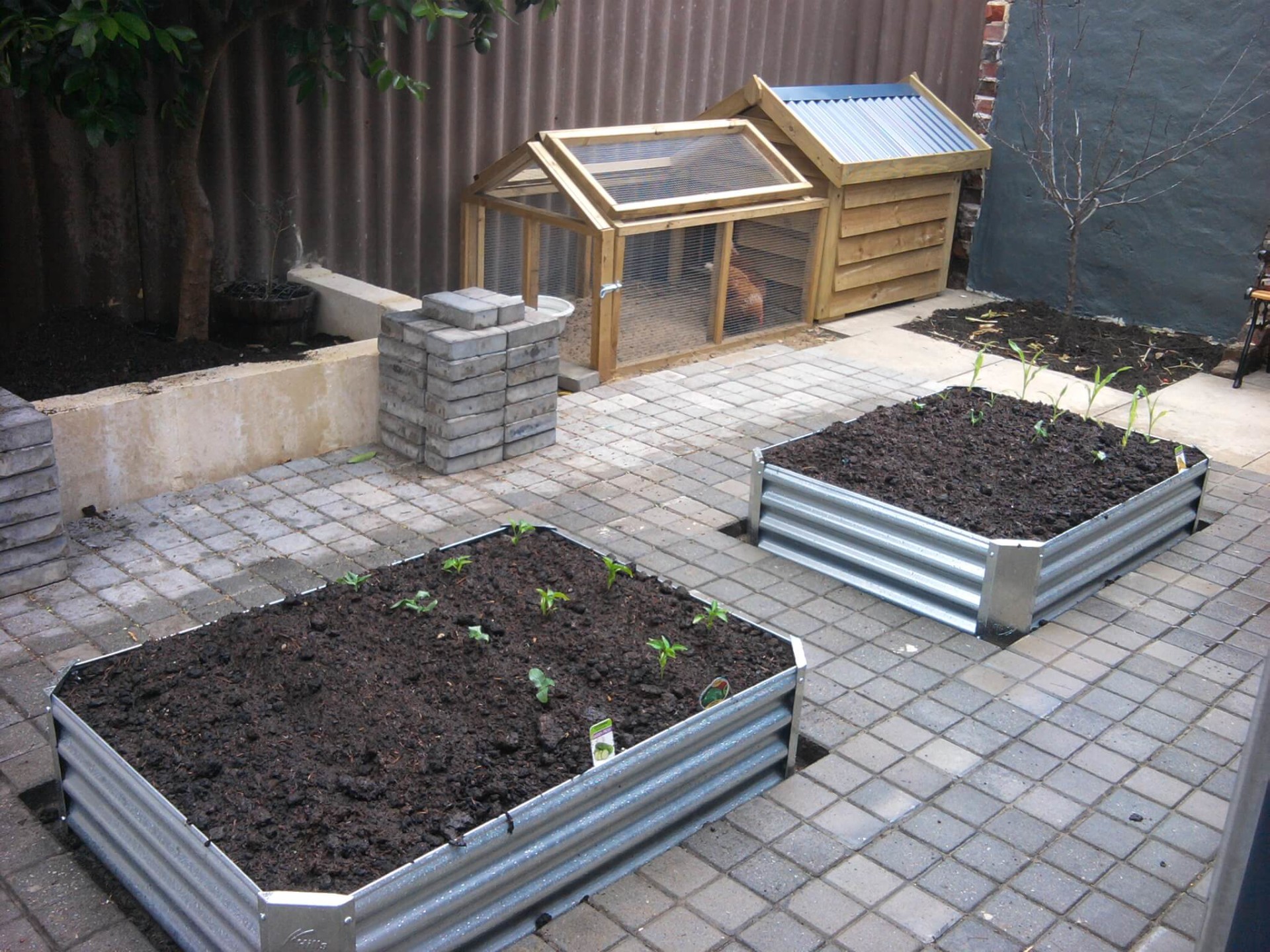
In Summer, chickens need extra care and attention especially during heat-waves.

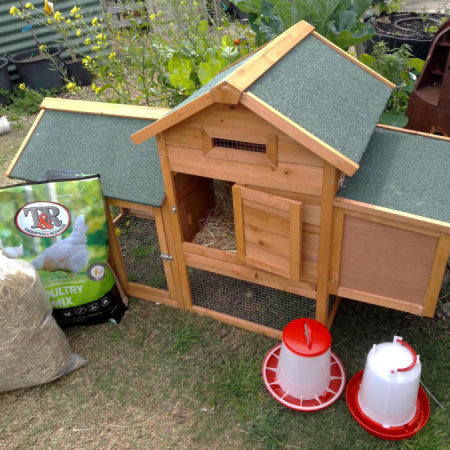
Plenty of fresh water is a must! Make sure drinkers are full and the water clean as chickens are less inclined to drink dirty water easily becoming dehydrated. Also make sure that the drinker is shaded so that you can keep the water as cool as possible and check for blockages if you have an automated water system.

Chickens can withstand some quite extreme temperatures if they are shaded from the sun, and shade is particularly important for dark coloured chickens. A good method of shading is to cover the enclosure with bamboo screening  which provides well needed shade and allows air to circulate.

Check laying boxes a couple of times a day to avoid eggs being exposed to extreme heat, and don’t worry if your hens lay fewer eggs during heat waves. Although it is a sign of stress, its normal for chickens to lay fewer eggs in hot weather.

Fish Farms

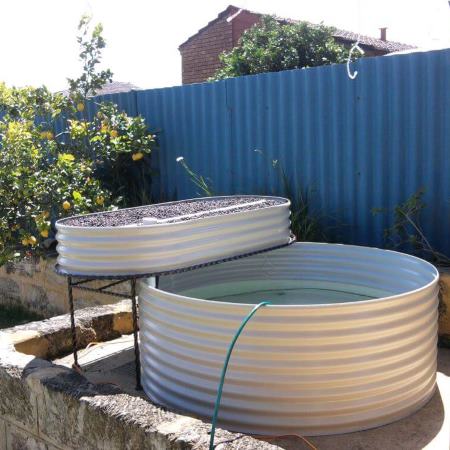
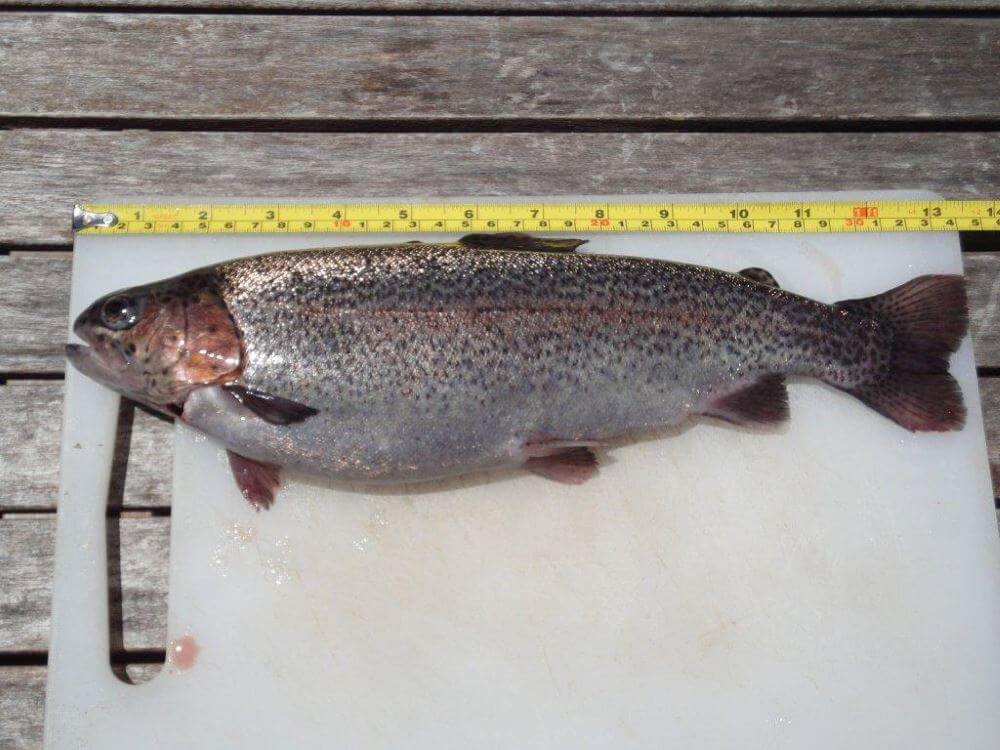
Early summer marks the beginning of the Barramundi season in Perth, and if you don’ already have your stock, you are looking for fingerlings that are at least 12cm in length. Fish this size will grow to table size in the 6 months we have before cool weather sets in. New fish are generally stressed and nervous, so make sure you provide them with plenty of cover, and as tempting as it is when they are first introduced into your tank, try not to spend a lot of time peering into the tank at feeding time. It's normal for newly introduced fish to not feed over the first couple of days, however they are less likely to feed if you are watching their every move! Try training new fish by throwing in a few pellets everytime you walk up to the tank, by associating you with food, your fish are more likely to welcome your presence.

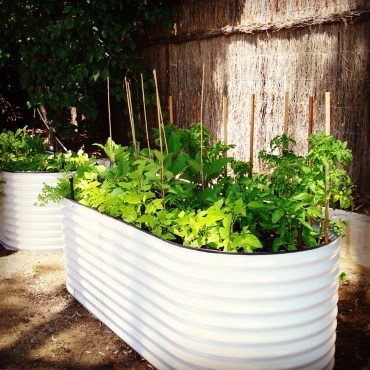
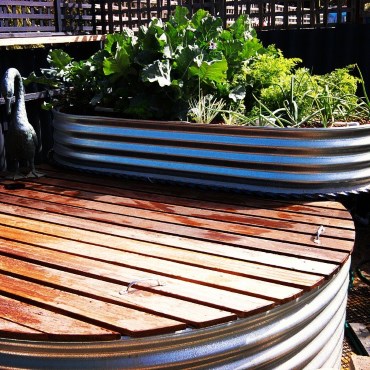
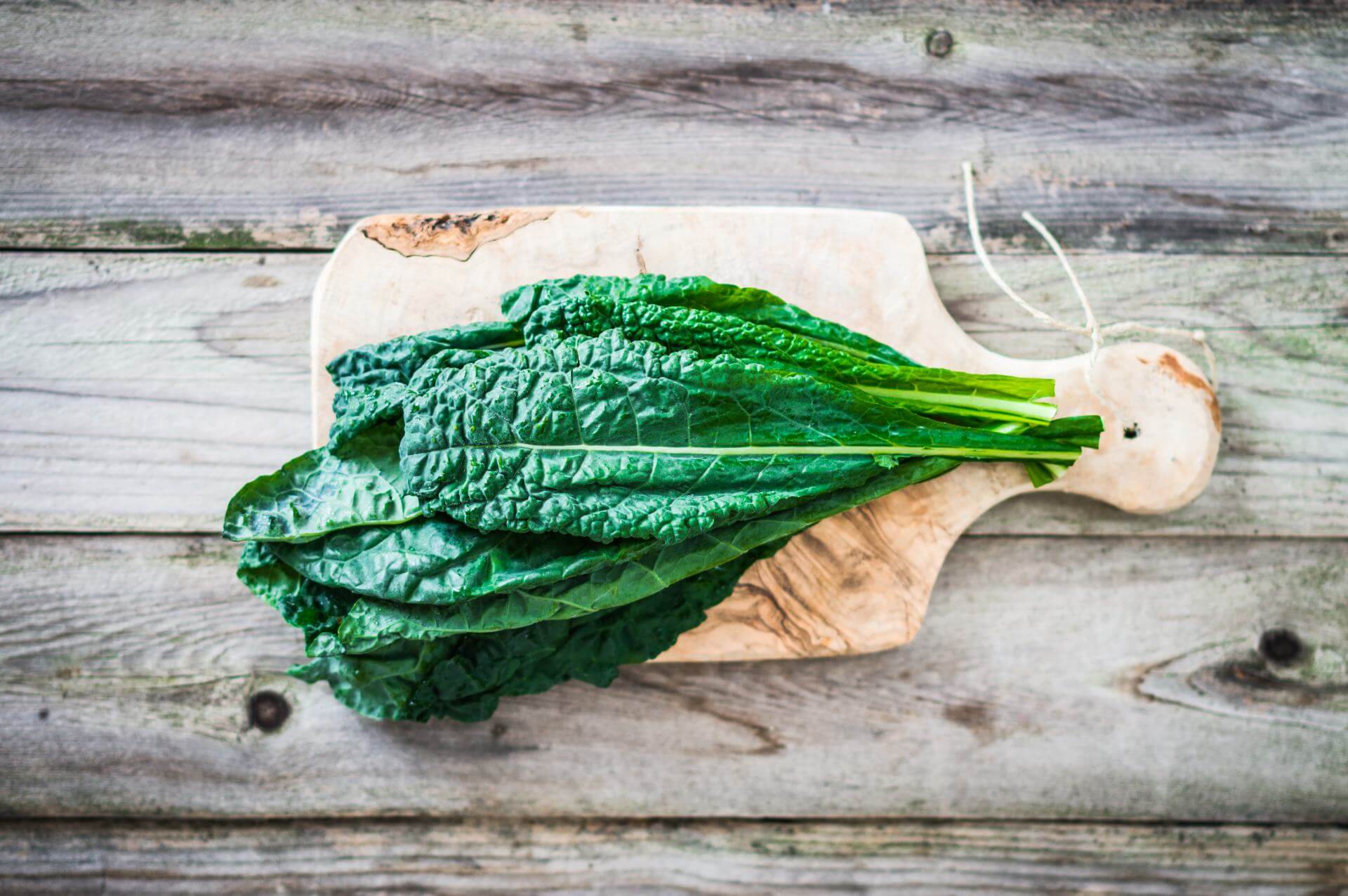
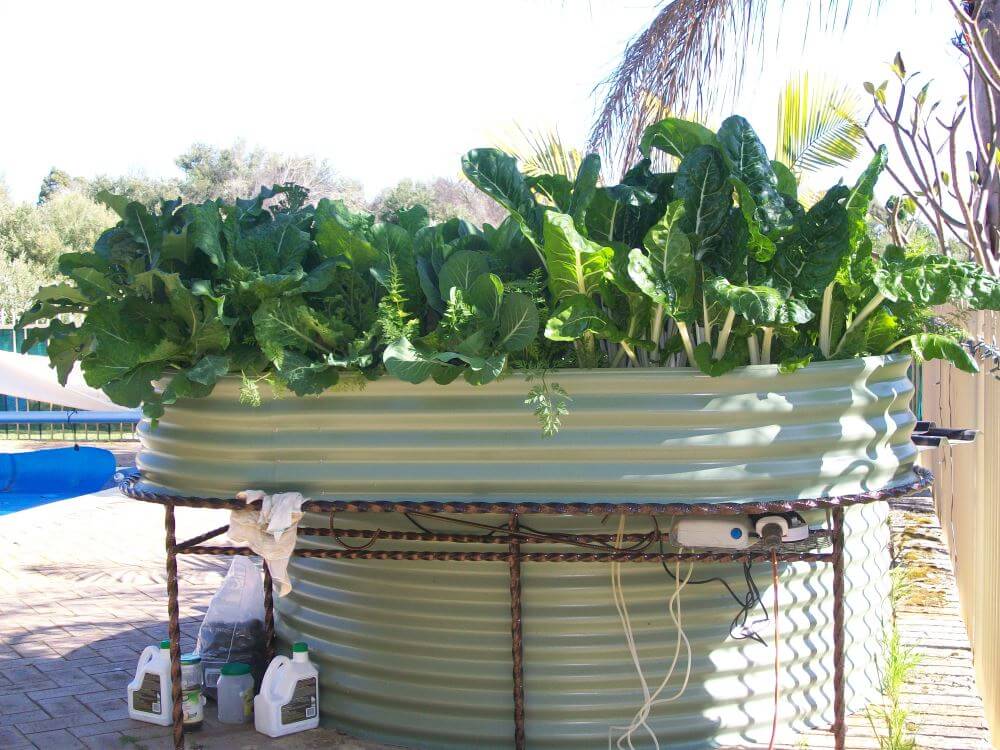
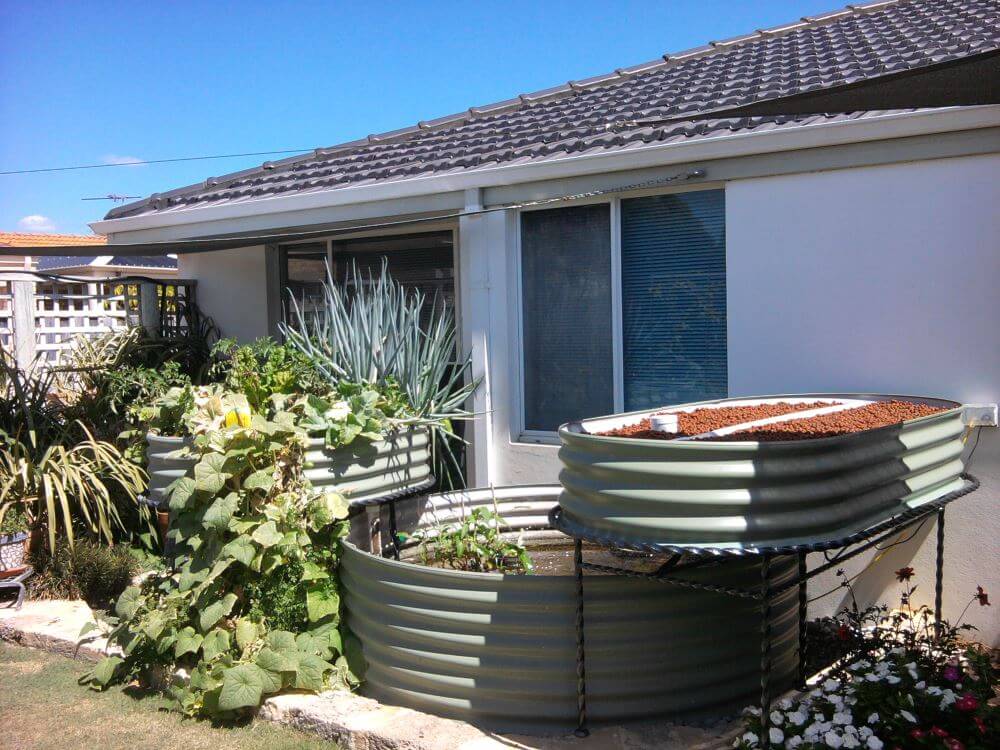
It's a perfect time of year to grow asian greens, lettuces and other leafy vegetables in your Vegetable Garden Filters. These fast growing vegetables thrive at this time of year as their roots are cooled and watered during extreme summer temperatures. Grow cucumbers along the edge of your filters and allow the vines to grow out of the filter, with the fruits suspended above the ground. Try growing some Thai basil, whose pretty pink flowers will attract bees to pollinate your fruiting vegetables.

If you find that you need to top up the water in your fish tank after a hot week, tap water straight from the hose is fine...and here is a tip, don't walk away and forget to turn the hose off! I'm not going to mention any names here!

Vegetable Gardens

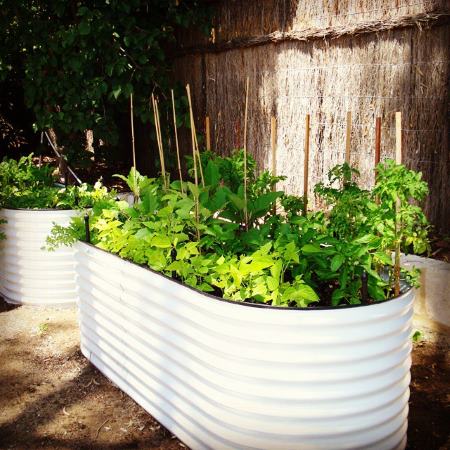
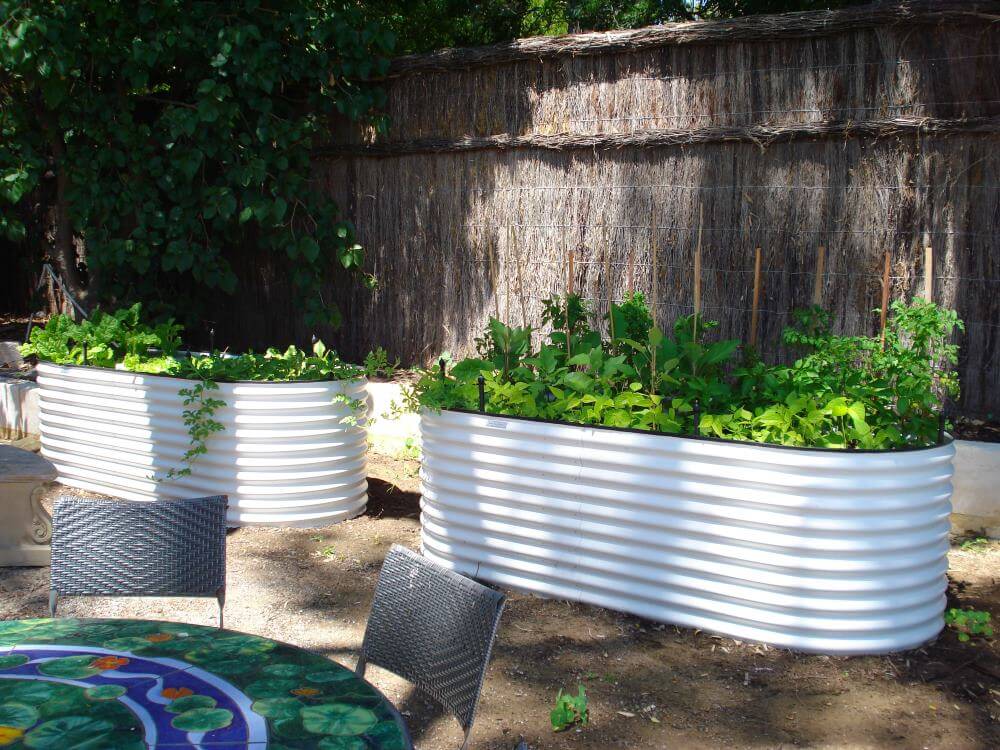
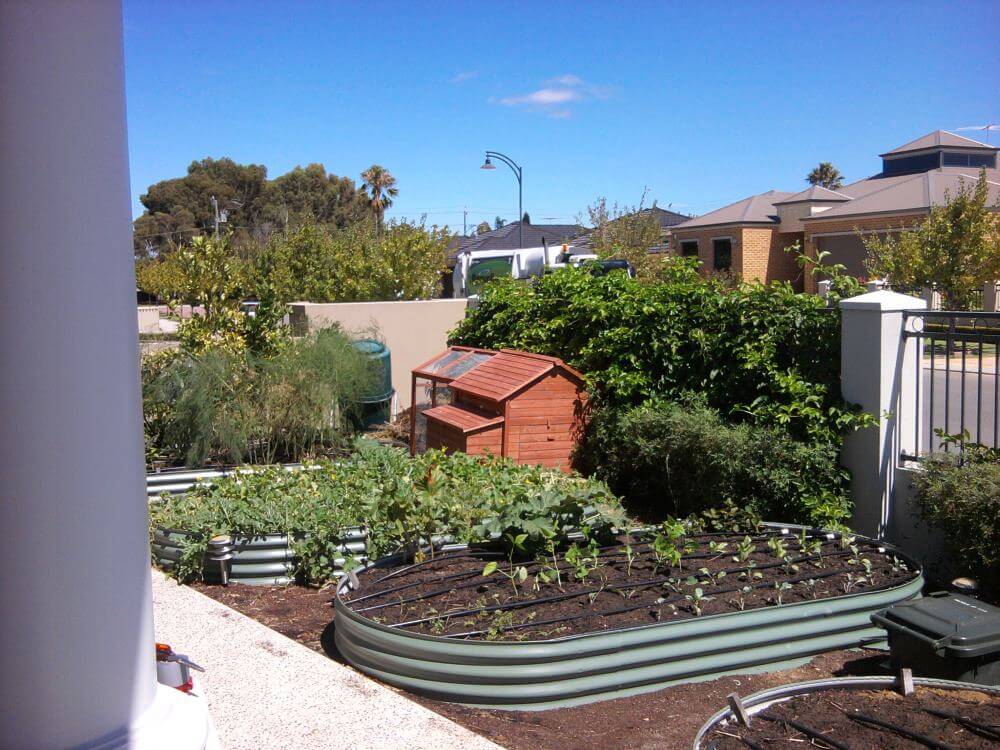
At risk of stating the obvious, you need to make sure your plants are getting adequate water. If you are using programmed reticulation to water your vegetable beds, look for dry areas or wilting plants that semi blocked sprinkler heads or blocked drippers may miss. Inspect your sprinklers in action at least once a week…because out of sight out of mind!....and hand water every day on non watering days. Vegetables do need a watering every day, and prevent the soil from totally drying out as this leads to hydrophobic soils.

Building compost into your soil is a year round task, however take advantage of the hot weather and bag organic material such as leaves and grass clippings in black plastic bags. The extra heat accelerates the breakdown of organic material which can be applied directly onto your vegetable garden as a mulch.

Also, don’t continue to try and revive vegetable plants that suffer badly from the heat or from pests, cut your loses and plant new plants!

Shade is as important as anything in keeping healthy productive plants in summer. Structure your plot planting heat sensitive plants such as celery, silverbeet and lettuces in the areas with the most shade. As a long term project, plant a grapevine in your vegetable garden. The leaves provide plenty of shade over summer and when they drop in autumn, provide plenty of sun for the sun lovers in winter.

It is important to continue to build your soil, improve its structure and replace anything that you take, as taking from the soil without giving anything back breaks the natural cycle. Harvesting crops, removing plants and fallen leaves removes organic material that’s ordinarily destined for the soil, and if the organic material isn’t replenished, soil health declines. Building soil structure also provides soil life such as microbes, worms and beneficial bugs with the materials and environment they need to do their important jobs.

Join our Newsletter!

Join our newsletter and receive more free seasonal advice, hints and tips!

Signup for our members club can be found on our homepage.